When Should You Replace Your Roof Instead of Repairing It? Roof Replacement in Lake St. Louis, MO
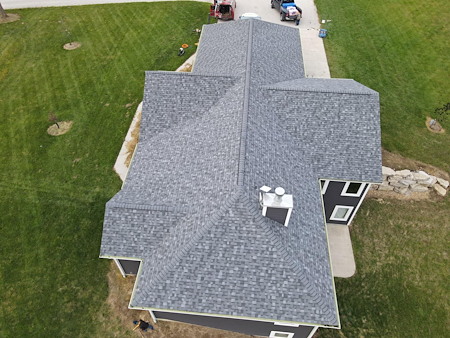
If you own a home in Lake St. Louis, MO, you will eventually face the question: fix a problem spot or invest in a full roof replacement? The right call protects your home through our wind, hail, and freeze-thaw seasons. This guide explains how to tell the difference, what local weather does to roofs, and how Auchly Roofing helps you choose with confidence.
How Lake St. Louis Weather Changes the Decision
Our area sees fast spring storms, summer heat, and winter temperature swings. Wind lifts tabs, hail crushes granules, and repeated freeze-thaw can widen tiny cracks. Over time, small issues spread across slopes. When damage is isolated, repairs make sense. When wear is widespread or repeating, it is time to consider roof replacement so the whole system is reset and ready for the next season.
Repair vs. Replacement: A Simple Way to Think About It
When a Targeted Repair Usually Works
- Damage is limited to one valley, vent, or a few shingles after a storm.
- Leaks appear only in one spot and only during heavy wind-driven rain.
- The roof is well under typical service life for its material.
- Shingles are flexible with minimal granule loss outside the problem area.
In these cases, a focused repair keeps water out and extends the life of a healthy system.
When Full Replacement Is the Smarter Move
- Curled, cracked, or brittle shingles across multiple planes or elevations.
- Recurring leaks in different rooms or seasons, even after past fixes.
- Soft decking, frequent nail pops, or sagging ridges indicating system stress.
- Heavy granules in gutters after storms showing widespread surface wear.
Replacement lets your roofer correct hidden problems and install an integrated system with updated underlayments, flashing, and ventilation. That brings your roof back to one strong baseline instead of chasing issues one patch at a time.
Local insight: After spring hail around the lakes or along I-64, many roofs look fine from the ground but show bruised shingles up close. A timely professional inspection documents the roof’s condition and catches problems before the next heavy rain.
Key Signs Your Roof Is Aging Out
Several clues suggest the system as a whole is wearing out, not just a small section.
Surface Wear You Can See
Look for color changes where protective granules have washed away, especially on south- and west-facing slopes. Shingles that curl, cup, or show cracks across many areas point to age and heat stress. If you notice bald spots around ridges or along eaves, repairs may not restore performance for long.
Attic and Interior Clues
Water stains growing after different storms hint at multiple entry points. In the attic, daylight around vents or step flashing, musty odors, or damp insulation suggest moisture has moved beyond one minor leak. Do not ignore active leaks that appear in more than one place. That is a common sign the system is failing in several spots at once.
Why Ventilation and Flashing Matter in Lake St. Louis
Summer heat builds in attics, and winter moisture condenses on cold surfaces. Proper intake and exhaust ventilation help shingles last longer by reducing heat and humidity under the roof. Flashing at walls, chimneys, and valleys takes a beating during wind-driven rain. When ventilation is poor or flashing has aged out in several areas, repairs may only delay bigger problems. A replacement allows your contractor to correct these root causes while installing the new system.
Insurance and “Storm vs. Wear”: What to Expect
Big storms can cause sudden damage, while age-related wear builds slowly. If a professional inspection finds storm impacts, your next steps are different than if the system is simply worn. Processes and coverage vary by policy and insurer. A trustworthy contractor will document conditions with photos and a clear report so you can make informed decisions with your carrier. Avoid quick fixes that skip documentation. Clear records protect you later if issues expand.
How a Pro Evaluation Helps You Decide
Before choosing, schedule a thorough assessment. A complete evaluation should include shingles, flashing, penetrations, valleys, gutters, decking firmness, and attic conditions. Your roofer will point out whether damage is isolated or system-wide and explain what that means for your home. To see how a roof assessment feeds into the decision, read this practical local guide on roof repair vs. roof replacement.
Common Scenarios We See Around Town
Wind-Exposed Roofs Near Open Water or Highways
Homes near open stretches or along major corridors can see stronger gusts. Over the years, repeated wind lifts weaken bond lines and break seals. If you are finding loose tabs on several slopes after storms, an isolated repair may not hold through the next season.
Complex Rooflines With Many Intersections
Multi-gable layouts, dormers, skylights, and walls increase the amount of flashing on a home. Each transition is a potential entry point. If leaks show up at different intersections over time, a whole-system plan replaces aged flashing everywhere and reduces the odds of recurring trouble.
What a True Roof Replacement Includes
A quality replacement is more than new shingles. It is a complete system designed to move water off your home fast and protect the structure beneath. While every home is different, your project may include tear-off, deck repairs where needed, modern ice and water protection in key areas, updated underlayment, properly sized intake and exhaust vents, and new flashing at all transitions. If you want a deeper look at components and process, explore the service details on our roof replacement service page.
Why Homeowners Choose Auchly Roofing
Local experience matters. Our team studies how Missouri weather wears on different materials and roof designs, then recommends the simplest effective fix first. If a repair will truly solve it, we say so. If the system is past its prime, we outline your options and explain why. You get a straightforward plan, clear communication, and workmanship focused on long-term protection.
Have questions about timing or materials? Start with an article many homeowners find useful on how long a residential roof lasts in local weather. It helps you frame age, exposure, and maintenance as you weigh your next step.
How To Decide Today With Confidence
Step 1: Think about scope. Is trouble limited to one area after a single event, or spread across slopes and seasons? If it is spreading, a system reset is safer than more patches.
Step 2: Think about time. If you plan to stay in the home for years, a full system can deliver steadier protection and fewer surprises. If you may move soon and the roof is otherwise healthy, a targeted repair might be the practical bridge to your next chapter.
Smart Next Steps For Lake St. Louis Homeowners
If you are seeing missing tabs, staining inside, or heavy granules in your gutters after storms, schedule a professional evaluation. In one visit you will learn whether a focused fix or a complete system is the right move. You can also browse helpful resources on roof replacement in Lake St. Louis, MO to understand how the process works and what to expect from start to finish.
Related Services That Support a Longer-Lasting Roof
A solid roofing system relies on more than shingles. If your assessment shows minor issues only, a timely roof repair can stop leaks and keep your home dry while the rest of the system remains strong. If inspection is overdue, scheduling a thorough check helps you plan ahead and catch small problems early.
Ready To Protect Your Home?
Whether you land on a precise fix or a full system, our goal is the same: protect your home through every season in Lake St. Louis. Call 636-332-8200 to schedule your assessment with Auchly Roofing. We will walk you through the findings, answer your questions, and help you feel confident about the path forward. When a new system is the right choice, start here to learn how we handle every detail of a roof replacement from prep to final walkthrough.

Contact Auchly Roofing
If you are looking for a St. Charles County roofing contractor, then please call 636-332-8200, or complete our online request form.
