How Storm Damage Can Weaken Your Roof Without Visible Leaks
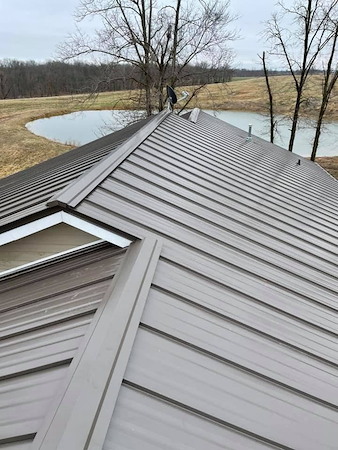
After a big storm, many St. Charles homeowners look up, see no stains on the ceiling, and assume everything is fine. The truth is that wind and hail often loosen shingles, flashing, and seals in ways you cannot spot from the ground. Water can then travel sideways through the system and show up much later. If peace of mind matters, it is smart to schedule a roof inspection so a trained eye can catch hidden problems early.
If you prefer to start with an overview of services, you can explore a roof inspection in St. Charles, MO from a local team that knows our weather patterns and roof types.
Why St. Charles Storms Cause Damage You Can’t See
Our region gets fast-moving thunderstorms, seasonal hail, and strong winds that funnel along the Missouri River and the I‑70 corridor. Those forces do not always tear shingles off. More often they lift edges, loosen seal strips, and stress flashing around chimneys, skylights, and walls. The result is a roof that looks fine but is no longer watertight.
Hail rarely punctures every shingle it hits. It can bruise the mat beneath the surface and knock off protective granules. Over time, UV light and rain exploit those weak spots and allow moisture to creep into underlayment and decking. Wind and hail can loosen components without breaking them, which is why damage often hides between layers.
- Wind gusts can flex ridge caps and pull fasteners just enough to open hairline gaps.
- Hail can compress shingle mats and reduce granules, speeding wear in the months after the storm.
- Rapid freeze‑thaw cycles can widen tiny openings at flashing and pipe boots.
How Hidden Damage Moves Through Your Roof System
Shingles and Granule Loss
When storm forces lift a shingle tab, the seal can break and never fully reset. Water pushed by wind slips under that edge and travels across underlayment. Granule loss from hail exposes the asphalt to sunlight, which hardens it and makes edges brittle. You may not see a missing shingle, yet water is already on the move.
Flashing, Valleys, and Fasteners
Step flashing where a roof meets siding, valley metal where two roof planes meet, and exposed nails along ridges are common entry points. A single unsealed nail head or a gap behind step flashing can let water follow the metal and wood grain into your attic. These are surgical fixes when found early with targeted roof repair, but they can spread if ignored.
Not every “leak” is rain. Unbalanced attic airflow traps humid air, which condenses on the underside of decking and drips onto insulation. After a storm, that trapped moisture can be mistaken for a roof failure. A thorough inspection rules out ventilation issues so repairs address the real cause. Do not walk on your roof to check this yourself; it is unsafe and can cause more damage.
Subtle Clues Pros Document After Wind or Hail
You might not see a drip, but trained inspectors look for patterns that storm damage leaves behind. Here are examples of what a pro may note during a visit:
- Granule piles by downspouts after storms that are new or heavier than usual
- Darkened roof decking at nail lines and valleys visible from the attic
- Lifted tabs along ridges and hip caps when viewed with proper safety gear
- Hairline gaps at step flashing against brick or siding
For a deeper look at the process and checkpoints, read this practical roof inspection checklist for missouri homes from our local roofing tips archive.
Local insight: Storms that track along Highway 370 and the Missouri River often bring cross‑winds that lift shingle edges without tearing them. Schedule a check soon after rough weather so small openings do not become interior stains later.
Safety reminder: Stay off the roof and ladders after a storm. Document what you can from the ground and let a pro handle the close‑up work.
What A Professional Roof Inspection Checks
A qualified roofing contractor evaluates how the whole system works together, not just the surface. That includes materials, connections, and the path water and air take through the roof and attic. Here is what an experienced team reviews:
Surface and edges: lifted shingles, cracked tabs, blistering, and granule loss along eaves and rakes. Valleys are checked for dents, buckling, and improper sealant.
Transitions and penetrations: flashing at chimneys and walls, step flashing against siding, kickout flashing near gutters, and seals at pipe boots, vents, and skylights.
Fasteners and sealant: exposed nails along ridges and hips, sealant failures at metal laps, and rust that hints at slow moisture.
Attic and ventilation: staining on decking, damp or matted insulation, daylight at penetrations, and balanced intake and exhaust that prevent condensation.
When it makes sense to move forward, homeowners often book a professional roof inspection to get photos, notes, and a clear action plan tailored to roof age and material.
Insurance And Timing: Document Early, Decide Confidently
Policies and deadlines vary by carrier and coverage. What does not vary is the value of documentation. Photos taken soon after a storm and a written inspection report help you explain conditions and timelines if you choose to start an insurance roof claim. Quick documentation helps insurance conversations and supports the repair path a pro recommends.
If your roof is older or you have had multiple storms this season, ask for a written summary that notes any storm‑related findings. Keep that with your home records. It makes next steps clearer whether you pursue emergency roof repair or plan for a future replacement.
When Repair Versus Replacement Is The Right Move
Not all storm damage points straight to a new roof. Local homes with isolated issues like a cracked pipe boot or a small section of lifted ridge often do well with focused repair. Extensive hail bruising, widespread granule loss, or long‑term moisture in decking can signal that a replacement plan is wiser for long‑term value. The right call depends on roof age, material, and the pattern of damage a pro documents.
Focused fixes can restore performance when the structure is still sound. Replacement becomes practical when repairs would stack up season after season or if decking strength is compromised. Either way, a clear inspection report helps you decide with confidence and avoid surprises next storm cycle.
Take The Next Step In St. Charles, MO
If a recent storm has you wondering what you cannot see, now is the time to act. Call Auchly Roofing at 636-332-8200 to talk with a friendly expert who understands residential roofing in our area. We will arrive on time, document what matters, and explain options in plain language so you can protect your home.
Ready for clarity and a plan you can trust? Start with a no‑pressure visit and request a roof inspection today.

Contact Auchly Roofing
If you are looking for a St. Charles County roofing contractor, then please call 636-332-8200, or complete our online request form.
